


How Much Does Probate Cost in the UK? 2026 Guide

If someone close to you has passed away, understanding the costs involved in probate can feel overwhelming. This guide breaks down what you can expect to pay in England and Wales during 2026, from government fees to professional charges, with real examples from estates in Hertfordshire, Essex, North London and the wider Home Counties.
Key Takeaways
- From 27 January 2025, the standard HMCTS probate application fee in England and Wales is £300 for estates over £5,000. There is no fee for estates of £5,000 or less.
- The total cost of probate in the UK in 2026 can range from approximately £316 for a basic self-guided application to more than £15,000 for complex, professionally managed estates.
- Typical costs include the £300 court fee, extra copy charges, and either DIY costs or professional fees.
- In Hertfordshire, Essex, Bedfordshire, North London and the wider Home Counties, The Probate Bureau offers fixed-fee probate and estate administration so families know the full cost upfront.
- Probate fees are separate from inheritance tax. Many families pay only the probate fee and adviser costs, while inheritance tax is only due if the estate exceeds the relevant allowances.
- Bereaved families can usually pay probate costs from estate funds, and some executors may be able to get help with court fees via the EX160 Help with Fees scheme.
What Is Probate and When Do You Pay for It?
Probate gives someone the legal right to deal with a deceased person’s property, money and possessions, collectively known as their estate. In England and Wales, this usually means obtaining either a Grant of Probate where there is a valid will, or Letters of Administration where there is no will.
Probate is typically needed when the person died owning property in their sole name, held significant savings or investments, or where financial institutions require formal proof before releasing funds. Many banks use internal thresholds before they will release money without a grant.
Probate costs usually arise in two main parts:
- Government fees – the court fees and copy fees payable to HMCTS.
- Professional fees – optional charges from a solicitor, probate specialist or firm such as The Probate Bureau.
The rules and figures in this article apply to England and Wales in the 2026/27 tax year. Scotland and Northern Ireland use different probate-style systems with separate fee structures and procedures.
The Probate Bureau primarily helps families in Hertfordshire, Essex, Cambridgeshire, Bedfordshire, Buckinghamshire and London, though the core HMCTS fee is the same across England and Wales.
How Much Is the Probate Court Fee in 2026?
The HMCTS probate application fee in England and Wales is a flat fee of £300 for estates worth more than £5,000. Estates valued at £5,000 or less do not pay the fee.
This fee applies whether the application is for a Grant of Probate or for Letters of Administration, and whether the executor applies personally or uses a professional probate service.
The fee increased from £273 to £300 on 27 January 2025 and remains at that level for 2026/27. It is a flat fee, so the amount does not change based on estate value once the estate exceeds the threshold.
Executors may also need extra official copies of the grant for banks, building societies, investment providers, life insurance companies and property matters.
Practical tip: order several official copies at the outset if they are needed. This can save time and reduce follow-up administration later.
What Other Government and Third-Party Costs Should You Expect?
Beyond the core application fee, several smaller disbursements and third-party charges may apply. These can arise whether you use a firm like The Probate Bureau or handle probate yourself.
Common examples include statutory notices, professional valuations, land registry paperwork and bankruptcy checks where relevant.
| Disbursement | Approximate Cost (2026) |
|---|---|
| Extra probate copies | Varies |
| Bankruptcy searches | About £2 per beneficiary |
| Trustee Act notices (Gazette and local paper) | £150 to £300 |
| Land Registry office copies | £3 to £6 per title |
| Property valuations | £100 to £1,500, sometimes free via estate agents |
These costs are separate from any inheritance tax due. Inheritance tax is paid to HMRC, not to the probate registry.
All legitimate probate and estate administration expenses are normally reimbursed from estate funds before beneficiaries receive their inheritance.
How Much Do Solicitors and Probate Specialists Charge in 2026?
Professional fees for probate services are optional but common for more complex estates. Charges are often structured as fixed fees, hourly rates or, in some cases, a percentage of the estate value.
Some firms still charge between 1% and 3% of the estate, while others charge hourly rates such as £200 to £450 plus VAT. Firms like The Probate Bureau promote fixed fees agreed upfront.
Indicative 2026 Fee Ranges
- Grant-only applications: £750 to £1,500 plus VAT.
- Full administration for straightforward estates: £2,000 to £4,000 plus VAT.
- Moderate complexity, including inheritance tax forms and multiple assets: £4,000 to £7,000 plus VAT.
- Complex estates involving businesses, overseas assets or disputes: £7,000 to £10,000 plus VAT or more.
Very complex estates can incur legal fees ranging from £6,000 to more than £20,000, especially where there are foreign assets, multiple beneficiaries or contested wills.
Fixed fees can offer more clarity and predictability than percentage or open-ended hourly charging models. When comparing firms in Hertfordshire, Essex, Bedfordshire and London, ask for a written breakdown showing what is included, excluded and listed separately as disbursements.
Real-World Probate Cost Examples in 2026
Example 1: Small Simple Estate in Hertfordshire
A surviving spouse inherits a joint home and modest sole savings under £30,000. No inheritance tax applies because of the spousal exemption.
Sometimes no probate is required if the bank releases funds on indemnity. Where probate is needed, total costs may include the court fee, copy charges and a professional fee of around £1,000 to £1,500 plus VAT.
Example 2: Standard Family Home in Essex
A freehold house in sole name worth £450,000 is combined with bank accounts totalling £70,000, with two adult children as equal beneficiaries. No inheritance tax may be due if transferable allowances are available.
Likely costs may include the court fee, extra copies and around £2,500 to £3,500 plus VAT for full administration.
Example 3: North London Estate with Inheritance Tax
A property worth £900,000, investments of £250,000, several bank accounts and multiple beneficiaries can create a more complex estate. Inheritance tax forms may be required, with possible instalment arrangements on property-related tax.
Professional fees in a case like this might range from £5,000 to £8,000 plus VAT, in addition to court fees and normal disbursements.
Example 4: DIY Probate in Bedfordshire
An organised executor handles the online process personally for a straightforward estate. Costs may include the application fee, copy charges and modest third-party expenses.
Total outlay might be around £400 to £600, but this approach can require 20 to 40 hours of personal time and carries a greater risk of mistakes.
DIY Probate vs Using a Professional
Executors in England and Wales can apply for probate themselves through GOV.UK, which can save money on professional fees where the estate is simple.
When DIY Probate Might Work
- One property and only a few bank accounts.
- No business interests or foreign assets.
- No inheritance tax exposure.
- A cooperative family with no disputes.
- An executor who is comfortable with forms and online systems.
When Professional Help Is Strongly Recommended
- Estates with inheritance tax exposure.
- Trusts or second marriages.
- Children from previous relationships.
- High-value properties in London or the Home Counties.
- Beneficiaries who may disagree.
The Probate Bureau offers free initial telephone support and home visits across Hertfordshire, Essex and North London, allowing executors to understand likely costs before deciding how to proceed.
How and When Is the Probate Fee Paid?
The probate fee is usually paid when the application is submitted. The executor will normally need to send the probate application, the original will if there is one, and the death certificate or related supporting documents to the Probate Registry.
Payment Methods
- Online applications: debit or credit card through the digital probate service.
- Paper applications: card or cheque with form PA1P if there is a will, or PA1A if there is no will.
HMCTS will not issue the grant until the fee is paid in full. There is generally no instalment option for the application fee itself.
Practical Solutions if Money Is Locked in Estate Accounts
- The executor pays personally, then reimburses themselves from estate funds.
- Some banks may pay the fee directly to HMCTS on request.
- The executor may be able to apply for fee remission using form EX160.
Keep all receipts and payment confirmations and record them in the estate accounts before distributing funds to beneficiaries.
Help with Fees (EX160) and Low-Income Executors
Help with Fees is the HMCTS scheme that can reduce or remove the probate application fee for eligible executors. Eligibility depends on the executor’s own income and savings rather than the size of the deceased’s estate.
Who May Qualify in 2026
- Executors receiving Universal Credit or certain other benefits.
- Low-income pensioners.
- People with limited personal savings.
To apply, complete form EX160 and submit it with the probate application. If approved, this waives only the HMCTS fee and does not cover solicitor or probate specialist fees.
The online Help with Fees checker on GOV.UK can be useful, and some probate firms can also explain the process in plain language.
Probate Costs vs Inheritance Tax
Many families confuse the probate application fee with inheritance tax, but they are separate.
| Probate Fees | Inheritance Tax | |
|---|---|---|
| What it covers | Cost of obtaining legal authority and administering the estate | Tax on estate value above available allowances |
| Amount | Flat fee plus related extras | Usually 40% on value above thresholds |
| Paid to | HMCTS | HMRC |
| Who pays | Most estates over the relevant probate threshold | A minority of estates above inheritance tax thresholds |
The standard nil-rate band for inheritance tax remains at £325,000, with an additional residence nil-rate band of £175,000 potentially available when a home passes to direct descendants. Married couples and civil partners may also be able to transfer unused allowances.
Probate may still be required even when no inheritance tax is due. Equally, small balances may sometimes be released by banks without probate even where tax reporting is still relevant.
The Probate Bureau offers combined probate and inheritance tax planning advice for families in Hertfordshire, Essex and surrounding counties.
Regional Focus: Hertfordshire, London and the Home Counties
While the HMCTS application fee is the same across England and Wales, property values in Hertfordshire, North London and the wider Home Counties can significantly affect tax exposure and professional costs.
Higher house prices in places such as St Albans, Harpenden, Hitchin, Bishop’s Stortford, Enfield and Barnet can push estates closer to or above inheritance tax thresholds, making professional advice more useful.
The Probate Bureau is based in Hertfordshire and handles estates across Hertfordshire, Essex, Cambridgeshire, Bedfordshire, Buckinghamshire and London, offering home visits and fixed-fee quotes before work begins.
For many families in these regions, a local fixed-fee probate firm can provide better cost certainty than national call-centre style services that rely on percentage charging or hourly billing.
How to Keep Probate Costs Down
Some probate costs are fixed, but families can still make sensible decisions to keep overall spending proportionate.
Practical Cost-Control Steps
- Gather key documents early, including bank statements, title deeds and investment summaries.
- Create a basic asset and liability schedule before contacting a professional.
- Decide who will deal with tasks such as clearing, securing and insuring property.
- Obtain at least one fixed-fee quote and avoid open-ended percentage arrangements where possible.
- Consider making or updating a will to simplify future estate administration.
A valid will helps ensure that money, property and possessions are distributed according to the deceased’s wishes. In most cases, a will must be in writing and properly signed and witnessed.
Warning: DIY probate on a complex, high-value or contentious estate can lead to missed tax allowances, penalties or disputes that cost more than professional advice would have done.
Early estate planning, including wills, trusts and Lasting Powers of Attorney, can reduce probate complexity later on.
FAQs: Probate Costs in the UK (2026)
Is probate always required, even if the estate is small?
No. Probate is not automatically required for every death. Many banks in England and Wales will release smaller balances without a grant if they are satisfied with the paperwork and indemnity.
However, probate is almost always required where property is held in the sole name of the deceased or where institutions insist on formal authority before releasing money or assets.
Can probate costs be paid from the estate instead of by the family?
Yes. Reasonable probate and estate administration expenses are usually paid from estate funds before inheritance is distributed.
An executor may sometimes pay small sums upfront and then reimburse themselves once estate accounts become accessible. Clear records and receipts should always be kept.
Do probate costs differ if there is no will?
The court fee is generally the same for Letters of Administration where someone dies intestate. However, professional fees can be higher because the rules of intestacy need to be applied carefully and entitlement may need to be confirmed.
Firms like The Probate Bureau regularly deal with intestate estates and can usually provide a clear fixed-fee quote.
Are probate fees the same in Scotland and Northern Ireland?
No. The figures in this article apply to England and Wales only. Scotland and Northern Ireland have different legal systems, forms and fee structures for dealing with estates after death.
Anyone dealing with an estate in those jurisdictions should use local guidance and local professional advice where needed.
Can I get a fixed probate quote before deciding whether to use a professional?
Yes. Reputable firms should usually provide at least an indicative fixed-fee quote based on basic estate details such as property value, number of beneficiaries, location and likely inheritance tax exposure.
The Probate Bureau offers free, no-obligation probate cost assessments by phone and, where appropriate, free home consultations across Hertfordshire, Essex, Bedfordshire, Buckinghamshire and London.
Contact and Next Steps
Ready to understand your exact probate costs? Contact The Probate Bureau’s free helpline for a personalised 2026 cost estimate tailored to your location, property values and family situation.
With fixed-fee pricing and experienced advisers handling your case directly, families can understand the likely cost from the beginning.
Back To BlogShare This Post


Recent posts
- What Are the Duties of an Executor? By , 15/06/2026
- Executor vs Administrator UK: What’s the Difference? By , 15/06/2026
- Executor Liability: Can You Be Held Personally Liable? By , 15/06/2026
2015 Archive
2016 Archive
2018 Archive
2019 Archive
2020 Archive
2023 Archive
- July 10 posts
0 Archive
- December 1 posts
Blog Categories
Find your way through the probate maze
Click here to follow our step-by–step probate process guide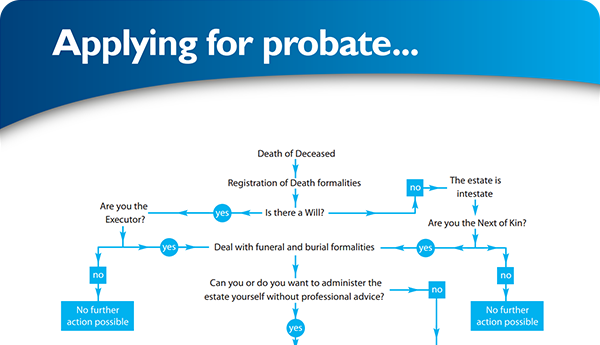
Testimonials
Excellent service, everything went very smoothly. Like to thank Ann and her team.... read more
Good & Reliable service, always kept up to date with what was happening. Value for money.... read more
Latest Tweet
Follow @ProbateBureau


Contact Us
0800 028 2837 info@probatebureau.comTHE PROBATE BUREAU
3 Crane Mead Business Park
Crane Mead
Ware
Hertfordshire
SG12 9PZ
×